CrossFit demands versatility. One workout might include heavy deadlifts, while the next combines cleans, box jumps, and pull-ups in a fast-paced WOD.
That’s why choosing the best weightlifting belts for CrossFit isn’t just about maximum support. It’s about finding a belt that offers stability without limiting movement.
Unlike traditional powerlifting belts, CrossFit belts are typically made from flexible nylon with quick-lock or Velcro closures. They’re easy to tighten before a heavy lift and loosen during cardio or gymnastics movements.
Best Weightlifting Belts for CrossFit
In this guide, we’ve rounded up five of the best-selling and highest-rated weightlifting belts available, based on popularity, user reviews, and expert recommendations.
1. Element 26 Self-Locking Weightlifting Belt

The Element 26 Self-Locking Belt consistently ranks among Amazon’s best-selling lifting belts and is popular with both CrossFit athletes and recreational lifters.
Why it’s great
- Self-locking buckle won’t unexpectedly loosen
- Flexible enough for Olympic lifts
- Competition-approved for functional fitness events
- Comfortable neoprene lining
- Excellent value for money
Pros
- Secure locking system
- Lightweight
- Comfortable for long workouts
- Great customer reviews
Cons
- Less rigid than leather belts
Best for: Most CrossFit athletes looking for one versatile belt.
2. 2POOD 4-Inch Weightlifting Belt

If you’ve watched major CrossFit competitions, you’ve probably seen athletes wearing a 2POOD belt. It’s one of the most recognizable belts in functional fitness and is officially used by many elite competitors.
Why you’ll like it
- Quick Velcro adjustment
- Excellent core support
- Comfortable during cleans and snatches
- Huge variety of colors and designs
- Durable construction
Pros
- Competition-proven
- Easy to tighten mid-workout
- Doesn’t restrict mobility
Cons
- Premium pricing
Best for: Dedicated CrossFit athletes who train several days a week.
3. Gymreapers Quick Locking Weightlifting Belt

Gymreapers has built a strong reputation among strength athletes, and its quick-locking belt is an excellent option for CrossFit.
The belt balances stiffness and flexibility, making it suitable for squats, deadlifts, overhead presses, and Olympic lifts.
Highlights
- Quick-lock buckle
- Reinforced stitching
- Lightweight design
- Comfortable padding
- Multiple size options
Pros
- Very supportive
- Easy adjustment
- High durability
Cons
- Slightly stiffer during the break-in period
Best for: Athletes combining CrossFit with regular strength training.
Related: Top 6 Best Power Towers for Your Home Gym
4. Rogue USA Nylon Weightlifting Belt

Rogue has long been associated with high-quality CrossFit equipment, and its nylon lifting belt continues that reputation. Experts regularly recommend it as one of the best nylon belts available.
Features
- Premium nylon construction
- Heavy-duty Velcro
- Strong steel buckle
- Comfortable fit
- Made for repeated daily use
Pros
- Outstanding build quality
- Durable materials
- Excellent support
Cons
- Higher price than many competitors
Best for: Experienced CrossFit athletes wanting a premium belt.
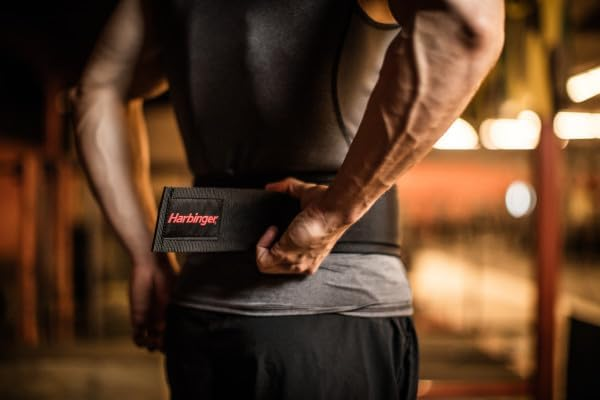
5. Harbinger 4-Inch Nylon Weightlifting Belt

Not everyone needs a premium competition belt. If you’re new to CrossFit or strength training, Harbinger offers dependable support at an affordable price.
Its flexible foam core provides enough stability for beginner lifts without feeling bulky.
Features
- Lightweight foam core
- Easy hook-and-loop adjustment
- Breathable materials
- Comfortable during long sessions
Pros
- Budget-friendly
- Comfortable
- Great beginner choice
Cons
- Not ideal for extremely heavy lifting
Best for: Beginners starting CrossFit.
Also See: Best All in One Smith Machines
How to Choose the Best Weightlifting Belts for CrossFit
Choosing the best weightlifting belts for CrossFit comes down to how you train.
Look for these features:
- Nylon Construction
Nylon belts provide support while allowing enough flexibility for dynamic movements.
- Quick Adjustments
CrossFit workouts move quickly. Velcro or quick-lock systems let you tighten and loosen the belt between exercises.
- Consistent Width
A 4-inch belt offers a good balance of abdominal support and comfort.
- Comfort
You’ll often wear the belt through multiple exercises, so breathable padding makes a difference.
- Durability
Strong stitching and quality buckles ensure the belt lasts through years of training.
Do You Really Need a Weightlifting Belt?
A belt isn’t required for every workout.
Most coaches recommend using one during:
- Heavy squats
- Deadlifts
- Clean & jerks
- Heavy front squats
- Max-effort lifts
For lighter workouts and conditioning sessions, many athletes train belt-free to continue building core strength naturally.
Recommended YouTube Video
This video explains the differences between nylon, leather, and lever belts, making it easier to decide which style fits your training.
Final Verdict
If you’re looking for the best all-around option, the Element 26 Self-Locking Belt offers an excellent mix of comfort, security, and affordability.
If you’re serious about CrossFit competition, the 2POOD 4-Inch Belt remains one of the most trusted choices among elite athletes.
For premium construction, Rogue USA Nylon Belt stands out, while Gymreapers offers impressive support for hybrid strength athletes. Beginners can confidently start with the Harbinger Nylon Belt without spending a fortune.
Whichever model you choose, the right belt should improve stability during heavy lifts while allowing enough freedom to move naturally throughout your workouts.
FAQs
What type of weightlifting belt is best for CrossFit?
A 4-inch nylon belt with a quick-lock or Velcro closure is generally the best choice because it provides support without limiting movement.
Is a leather belt better than a nylon belt for CrossFit?
Not usually. Leather belts are excellent for powerlifting, but nylon belts are more comfortable for the varied movements found in CrossFit workouts.
Should beginners use a lifting belt?
Yes, but only during heavier lifts. Beginners should also spend time strengthening their core without relying on a belt for every exercise.
Can you wear a lifting belt during an entire WOD?
You can, but many athletes loosen or remove the belt during running, rowing, gymnastics, or other conditioning movements for greater comfort.
How tight should a CrossFit lifting belt be?
It should feel snug enough to brace your core while still allowing you to breathe deeply. You shouldn’t feel restricted or uncomfortable during movement.